The film's foundation emerged from the writer's personal relationship with his mother, shaping an emotionally resonant story.
Black women's perspectives shaped the film's development and direction, creating a nuanced portrayal of Black women's inner lives.
The film challenges narratives that suggest women should stop wanting more as they get older, reclaiming desire without shame.
In a landscape that rarely gives Black women the space to pause, pivot, or prioritize themselves, Lifetime’s Mary J. Blige Presents: Be Happy arrives with clear intention.
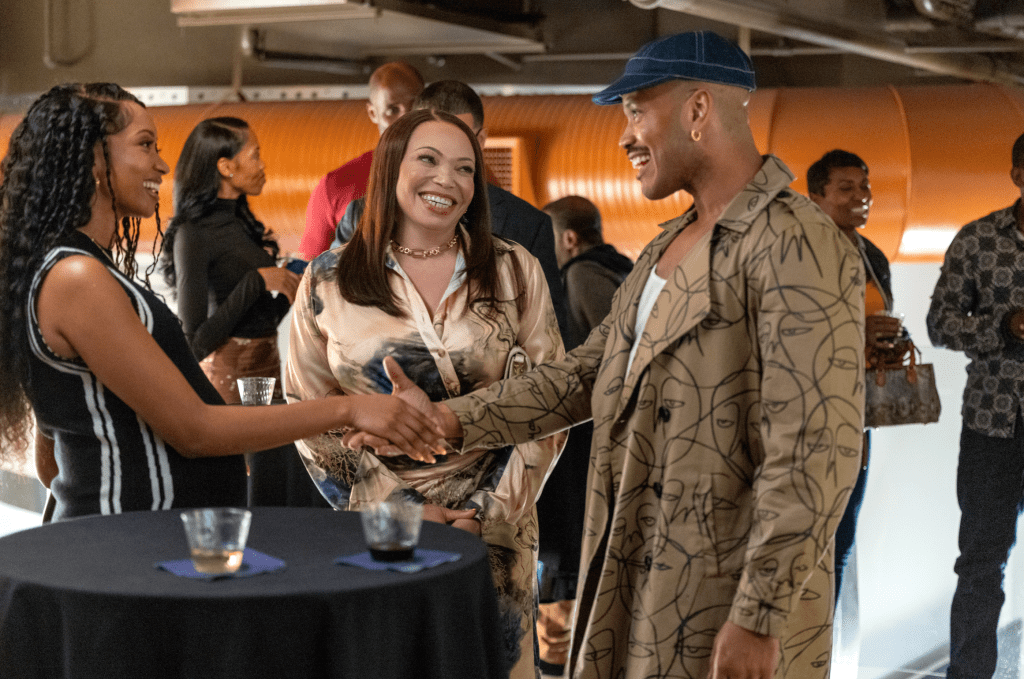
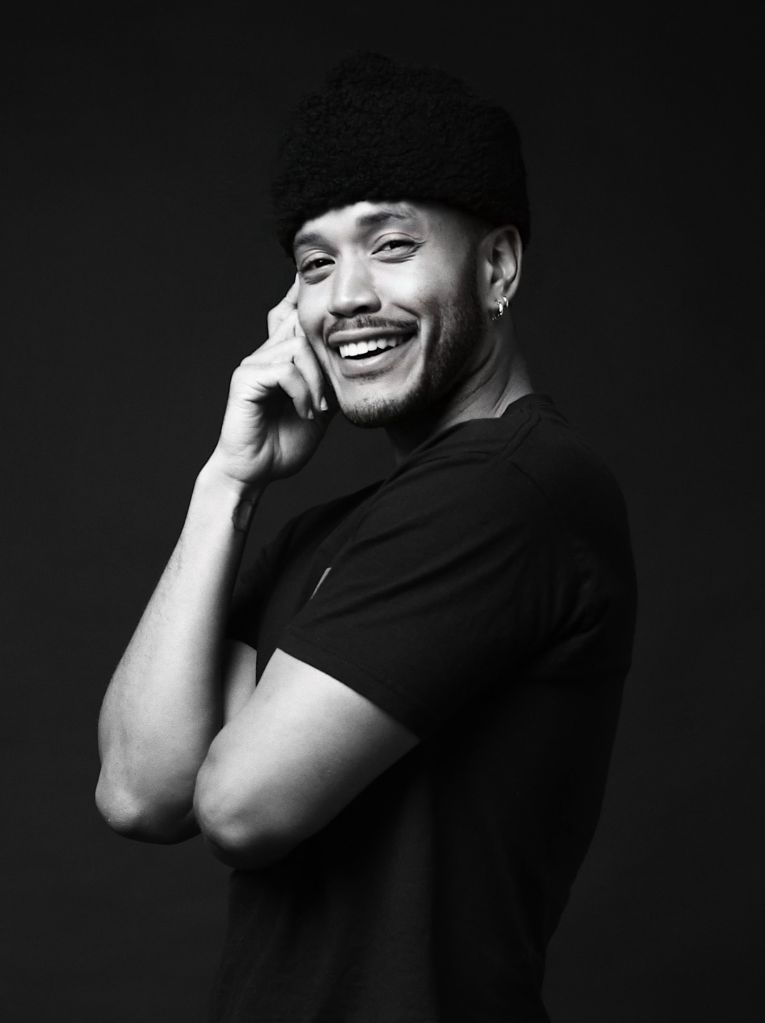
At the center of that vision is Cameron J. Ross, the writer and co-star of the original, premiering February 7. The film marks a major creative moment for Ross, who not only wrote the project but also appears onscreen, shaping a story driven by emotional honesty and reflection.
Source: Courtesy of Lifetime
Executive produced by Mary J. Blige and directed by Academy Award nominee Gabourey Sidibe, it continues Lifetime’s expansion into creator-led storytelling.
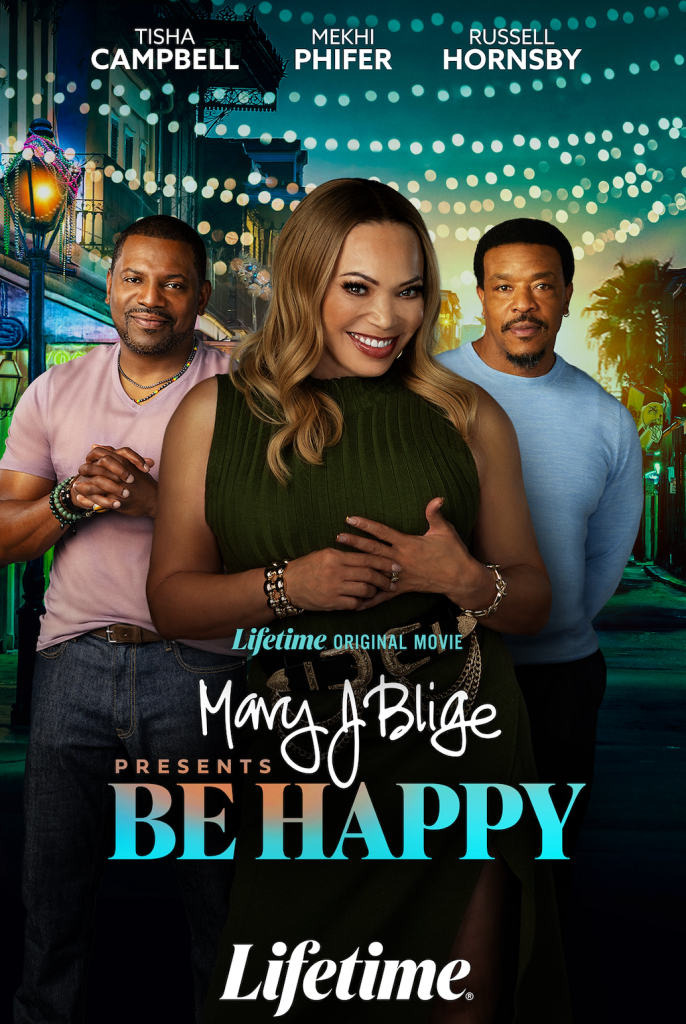
The film stars Tisha Campbell as Val, a woman whose life has long been defined by care, commitment, and responsibility, until she reaches a moment that forces her to turn inward and reconsider what fulfillment looks like on her own terms.
For Ross, the story emerged from paying close attention to the Black women around him rather than following industry trends.
“This film was inspired by my mom,” Ross said. “Not just because she’s iconic in my life, but because she’s also a really great friend.”
That relationship helped shape the emotional foundation of the film, allowing Ross to explore what happens when women choose themselves out of necessity and self-awareness. Be Happy offers a portrait of Black women’s inner lives, capturing their doubts, desires, and the courage it takes to want more.
Source: Courtesy of Lifetime
An award-winning multi-hyphenate, Ross’ career spans Broadway, film, and television. His credits include writing for Amazon’s The Summer I Turned Pretty, acting and writing on Netflix’s Peabody-nominated Gentefied, and receiving a Special Tony Award as a co-founder of the Broadway Advocacy Coalition. He also holds an overall development deal and is currently creating new series across platforms.
Source: Courtesy
With Be Happy, Ross continues to build a body of work that centers emotionally resonant storytelling for mainstream audiences, reinforcing his commitment to stories that feel honest, intentional, and deeply human.
A Story Rooted in Listening
Ross said the film’s foundation came together shortly after Lifetime reached out to him about developing an original movie. A phone call with his mother helped clarify what kind of story he wanted to tell.
“I started to come up with this coming of age story for a woman in her 50s trying to navigate life after motherhood,” Ross said. “She kind of reached, I would say, the ceiling in her relationship with her husband, and she’s trying to explore what is life after me for them.”
Source: Courtesy of Lifetime
Rather than framing Val’s journey as dissatisfaction or escape, Ross said the film focuses on what happens when a woman begins to question how much of herself she has set aside.
“The highlight of the movie is the journey back to self,” he said.
Black Women Shaping the Film From the Beginning
Ross said the direction of the film was influenced early on by Black women in development who recognized the story without needing it explained or softened.
“Karen Wilson, the development exec, happens to be this incredible Black woman, and she saw so much connectivity from her to the piece,” Ross said. “In her office, she had this really big poster of Claudine, and she said that was the movie that inspired her to start telling stories specifically about Black women.”
Source: Leon Bennett / Getty
As the project moved forward, that alignment only deepened.
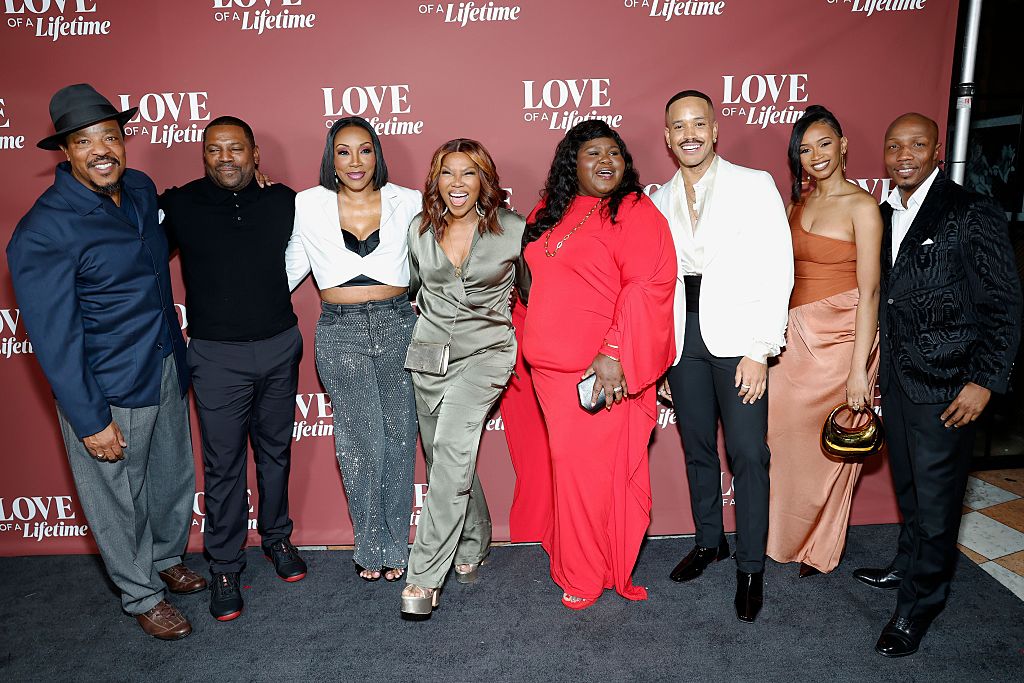
“So as I’m developing this movie, I start to get all these updates,” Ross said. “The first update was like, ‘Hey, Mary J Blige is attached.’ Then I got a call like, ‘Okay, now Mona Scott Young is attached.’ And then they were like, ‘Oh, and this will be Gabourey Sidibe’s directorial debut.’”
Ross said those moments made it clear the film was no longer just his story to tell.
“At this point, I have a choir of Black women that are supporting me in this journey of writing the script,” he said.
Art as the Entry Point Back to Self
In Be Happy, Val’s transformation unfolds through art and environment, with the setting designed to support her internal shift rather than overwhelm it.
“New Orleans is just such a wonderful backdrop when it comes to like culture and art and the food,” Ross said. “Even the sensualness that the city kind of has, it performs as a wonderful backdrop to the film.”
Source: Courtesy of Lifetime / Courtesy of Lifetime
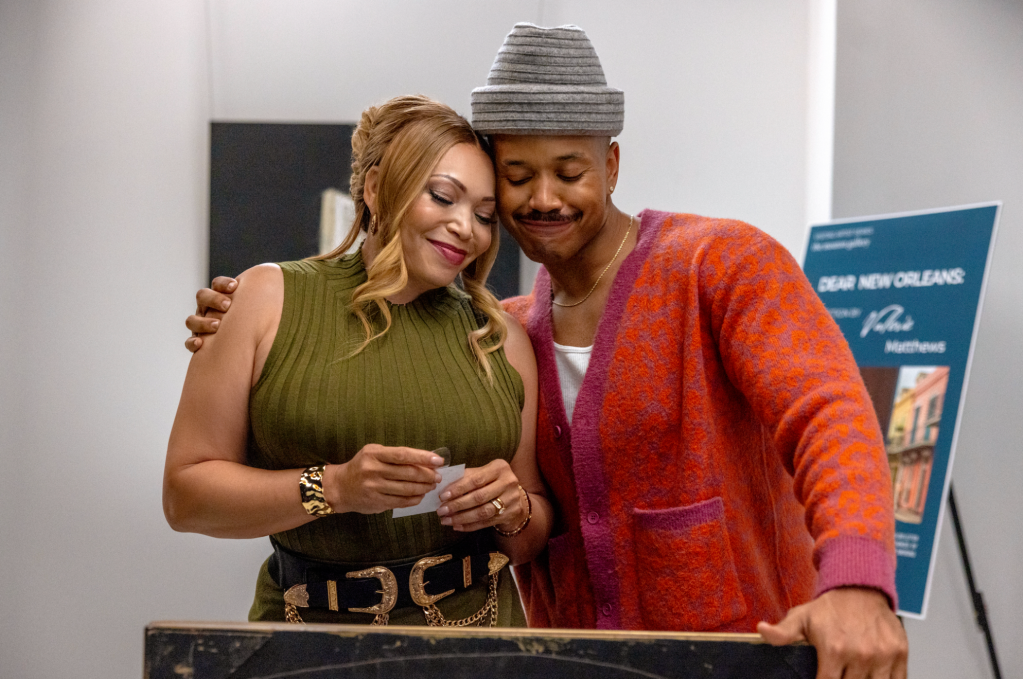
Ross plays Jacoby, the owner of the art gallery where Val works, a role he said was written as an invitation rather than a rescue.
“Jacoby specifically is the owner of the gallery that she works at,” he said. “He gives her an opportunity to kind of be introduced to a love that she had before she became a mother.”
For Ross, art becomes the space where emotion, desire, and self recognition begin to surface again.
“Art has the power to do that,” he said. “When you’re looking at it, you’re able to feel things.”
Reclaiming Desire Without Shame
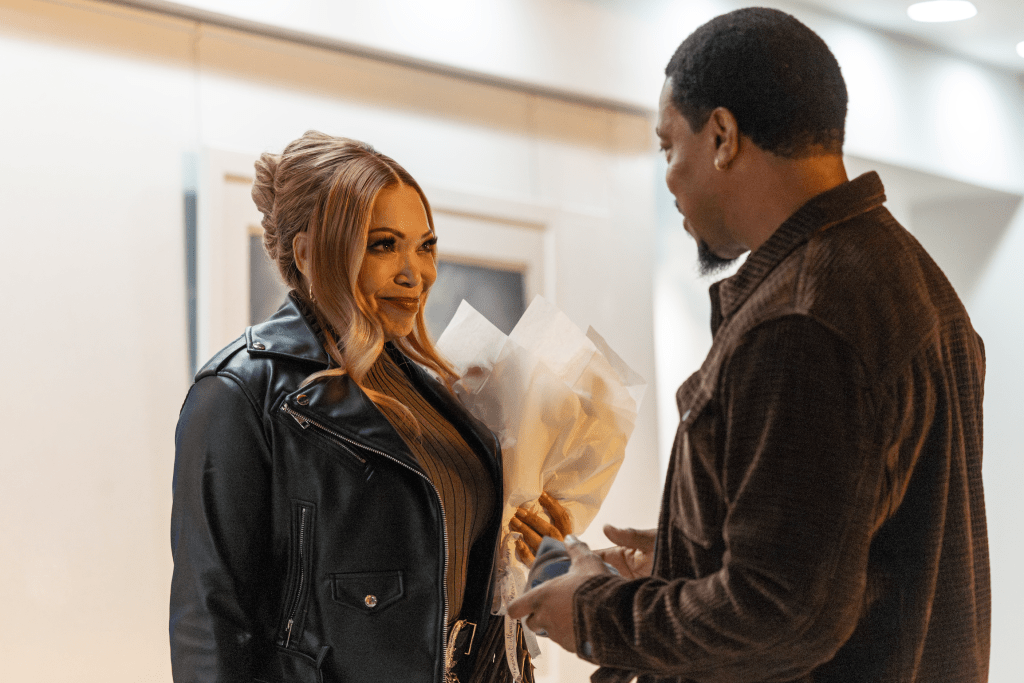
Ross said one of the film’s most important moments comes when Val confronts herself mid awakening, uncertain but present.
Source: Courtesy of Lifetime / Courtesy of Lifetime
“She has this moment of like, ‘Oh my God. Who am I? What am I doing?’” he said. “And I see her kind of settle into it like, ‘No, I am. It is important for me to be present in this new journey.’”
That moment reflects a larger truth the film is interested in exploring.
“Not to age herself out of feeling sexy, not to body shame herself out of feeling sexy,” Ross said. “Just saying like, okay, I actually am.”
The film also challenges narratives that suggest women should stop wanting more as they get older. Especially when the woman is positioned as worth the chase.
“There’s nothing wrong with fighting for what’s worth it,” Ross said. “When it comes to partnership, if it’s right and it makes you feel whole, fight for that.”
A Multi Hyphen Story On and Off Screen
The film also marks the first time Ross has written a project and appeared in it as an actor at the same time, something he said reflects a path shaped by other multi-hyphen creatives.
Source: Leon Bennett / Getty
“I think of people like Donald Glover and Issa Rae and Lena Waithe and Tina Fey,” Ross said. “All these incredible multi hyphens that have made this word kind of front facing.”
He added that the film represents a personal milestone.
“This is the first time in my career that I have written something where I also had the moment where I was able to walk on set, not only as the writer, but also as the actor, Cameron J. Ross,” he said. “So this movie would kind of go down in history for me as being iconic for that reason alone.”
What Ross Hopes Viewers Take With Them
While the title suggests joy, Ross said the film’s message is more specific.
Source: Courtesy of Lifetime / Courtesy of Lifetime
“Outside of just being happy, the takeaway is making sure we have time for self,” he said. “Those self goals, those self needs, those self wants.”
Mary J. Blige Presents: Be Happy premieres TONIGHT, Saturday, February 7 at 8 7c on Lifetime.
And for Black women watching, the film offers a reminder that wanting more does not mean you are ungrateful, and choosing yourself does not mean it is too late.