How To Fit In With Drinking Culture Without Overdoing It
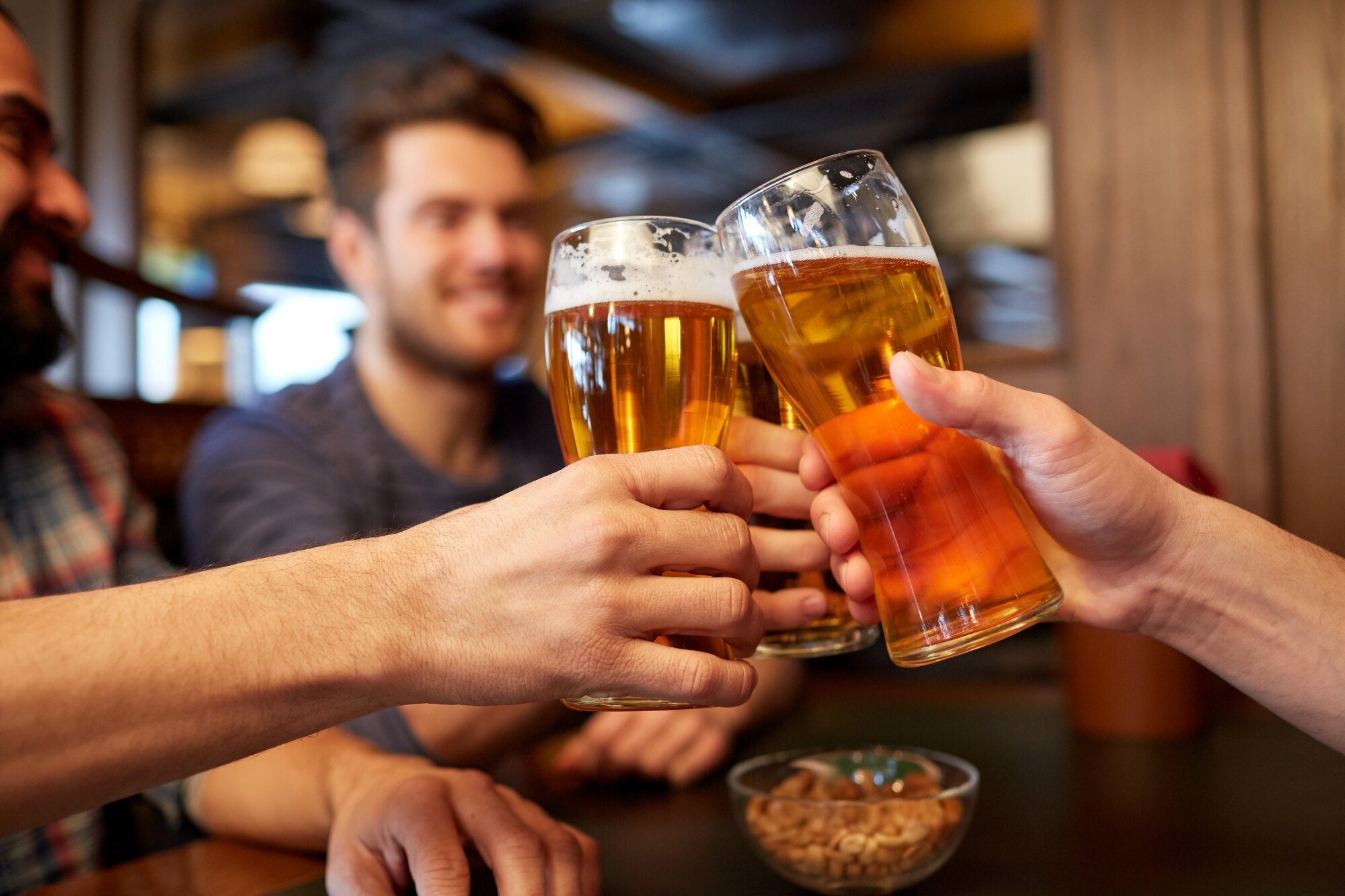
If you set firm, pre-planned limits, pace yourself, and alternate alcohol with water, you can fit in with drinking culture without overdoing it. Navigating social events without getting drunk also involves focusing on conversation instead of consumption.
Equally crucial is knowing when to get help if you think you’re exceeding responsible drinking. As the Office of Disease Prevention and Health Promotion (ODPHP) explains, moderate alcohol consumption can reduce your risk for health problems caused by drinking.
What Is Drinking Culture?
The term “drinking culture” refers to social behaviors, rituals, and traditions associated with the consumption of alcoholic beverages. Some specific examples include:
- College binge drinking
- Parent drinking culture
- Corporate drinking culture
Drinking culture is not always immediately dangerous for each person, but it’s still inherently risky when viewed from a public health perspective. Even low-level alcohol consumption can already pose health risks, particularly if done daily or mixed with other substances, such as prescription medications or illicit drugs.
According to an article published by Johns Hopkins University, large-scale studies conducted recently indicated that any amount of alcohol consumption increases health risks.
From interfering with restorative sleep to increasing anxiety the following day, these are some of the short-term effects of drinking alcohol, even if it’s just one drink a day. In the long run, it can contribute to physical and mental health problems and an increased risk of self-harm.
What Is The 80/20 Rule In Alcohol?
The 80/20 rule can refer to the lifestyle approach of living healthily 80% of the time and allowing for indulgences for the remaining 20%. Indulgences include alcohol, but they can also pertain to desserts (e.g., sweets) or “junk” foods (like fast food or processed items).
Individuals apply the 80/20 rule as an “everything in moderation” approach. It allows them to adhere to social drinking etiquette, continue enjoying alcoholic beverages, and not worry about having to get heavily intoxicated just to try fitting in at parties.
How Can You Fit In With Drinking Culture Without Overdoing It?
One of the most crucial strategies to fit in with drinking culture without overdoing it is to remember that inebriation is not necessary for social bonding. Conversation is.
If you focus on the following mindful, protective strategies, you can enjoy engaging with others at social events without worrying about the harmful effects of excessive alcohol intake.
Setting And Sticking To Limits
Before you arrive at the party or social event, establish the number of drinks you’ll limit yourself to. Then, do everything you can to stick to this limit, whether it’s:
- Eating beforehand (to reduce cravings and restrict the available space in your stomach)
- Setting a reminder for each drink you’ve already had (e.g., drawing a tally mark on your hand or using a notes app on your phone)
- Using the buddy system (to help each other stay accountable)
Controlling your alcohol intake, whether it’s at a party, or on a regular day, also involves knowing how much alcohol is too much.
The NIAAA (National Institute on Alcohol Abuse and Alcoholism) says binge drinking is when someone drinks too much within just two hours (over four drinks for women and at least five drinks for men). You can use this as a guideline when deciding how much you’ll allow yourself to drink.
Pacing Yourself
Pacing yourself when drinking means controlling the number of drinks you consume every hour. Aim for just one standard drink per hour, as this can help your body metabolize the alcohol.
Take slow sips instead of gulps. If you’ve finished your glass or bottle and it’s not been an hour yet, switch to plain water.
Focusing On Conversation And Socialization
Prepare interesting topics and stories (such as hobbies, current events, or travel) that encourage continuous conversation before heading to the party or event. Once you’ve arrived, actively seek people who’ll focus on conversing with you, not your or their drink.
You can also socialize by participating in activities that don’t involve drinking but can keep your hands and mind occupied, such as dancing, helping the host, or playing games. Your goal should be to connect with other people and not spend too much time at the bar.
Knowing When To Get Help
If you have concerns about your drinking—whether at home or in a social setting—take it as a sign to seek support. Your primary care physician can help by:
- Screening for alcohol use disorder (AUD)
- Performing physical exams
- Providing personalized, non-judgmental counseling
- Offering recommendations or referrals to support groups and specialists
Your doctor may also prescribe medications approved by the U.S. Food and Drug Administration (FDA) to help reduce cravings, such as Naltrexone. If you’d like to keep your prescriptions discreet, don’t worry, as you can get Naltrexone online, in the safety and privacy of your home.
Frequently Asked Questions
What Does “Standard Drink” Mean?
The term “standard alcoholic drink,” also sometimes referred to as “alcoholic drink equivalent,” exists as an objective measure of a beverage’s pure alcohol content. It varies across drinks, as each type of beverage can have a different alcohol content.
According to the U.S. CDC, a standard drink contains 14 grams or 0.6 ounces of pure alcohol. It can be equivalent to a 12-ounce can of beer with 5% alcohol or a 5-ounce glass of wine with 12% alcohol. Another example is a 1.5-ounce shot of 80-proof liquor, such as vodka, whiskey, or brandy.
Are Mocktails Good Alternatives To Alcoholic Drinks At Parties?
Mocktails are non-alcoholic beverages that look and even taste like cocktails, mimicking the latter’s presentation, experience, and flavor profiles. They’re like fancy, top-tier juice, giving you a sophisticated alternative to alcohol during social gatherings.
Since mocktails don’t have any alcohol in them, you can drink them as an alternative to plain water as part of your pacing strategy. Some are even healthy, featuring ingredients like kombucha (a fermented drink rich in probiotics and antioxidants), fresh herbs, and citrus.
Have Fun And Drink Less While Still Fitting In With Drinking Culture
Don’t let drinking culture keep you from having fun and drinking less, or even abstaining. You can still enjoy participating in social events without overdrinking by sticking to a limit, pacing yourself, and focusing on conversation rather than inebriation.