Trump Rejects DHS Funding Deal, Sends ICE To Airports
Trump Refuses Reasonable DHS Funding Deal, Sends ICE To Patrol 14 Airports Including Atlanta, Houston And Chicago
- ICE agents' limited role fails to address root cause of long security lines at airports.
- Trump rejects Senate compromise deal that could have ended government shutdown and airport disruptions.
- Unpaid TSA workers quitting, worsening staffing shortages and delays, as political standoff continues.
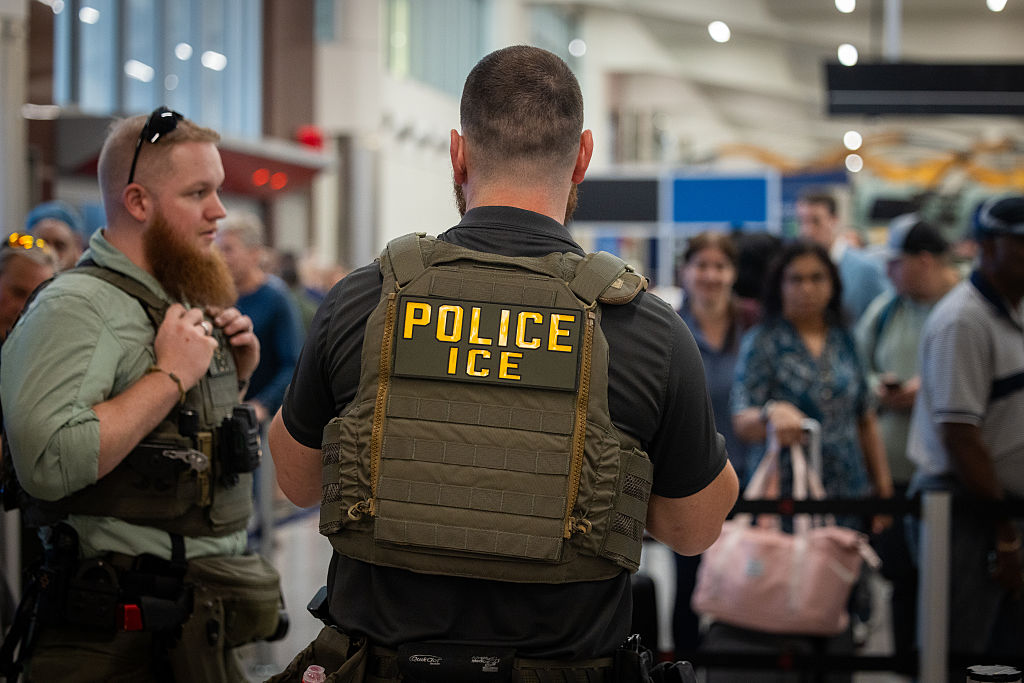
The travel chaos unfolding at U.S. airports reached a new level Monday (March 23) as U.S. Immigration and Customs Enforcement agents were deployed to 14 major airports in an attempt to ease crippling security lines caused by the ongoing shutdown of the Department of Homeland Security.
According to reporting from CNN, the airports included Hartsfield-Jackson Atlanta, New York’s JFK and LaGuardia, Newark Liberty, Philadelphia, Chicago O’Hare, Cleveland, Pittsburgh, Phoenix, Houston Hobby, Fort Myers, New Orleans and San Juan. But despite the visible influx of federal agents, the reality on the ground has been far from improved. Travelers at some of the busiest hubs—especially in Atlanta—faced wait times stretching for 153 minutes, with lines snaking through terminals and even outside airport buildings.
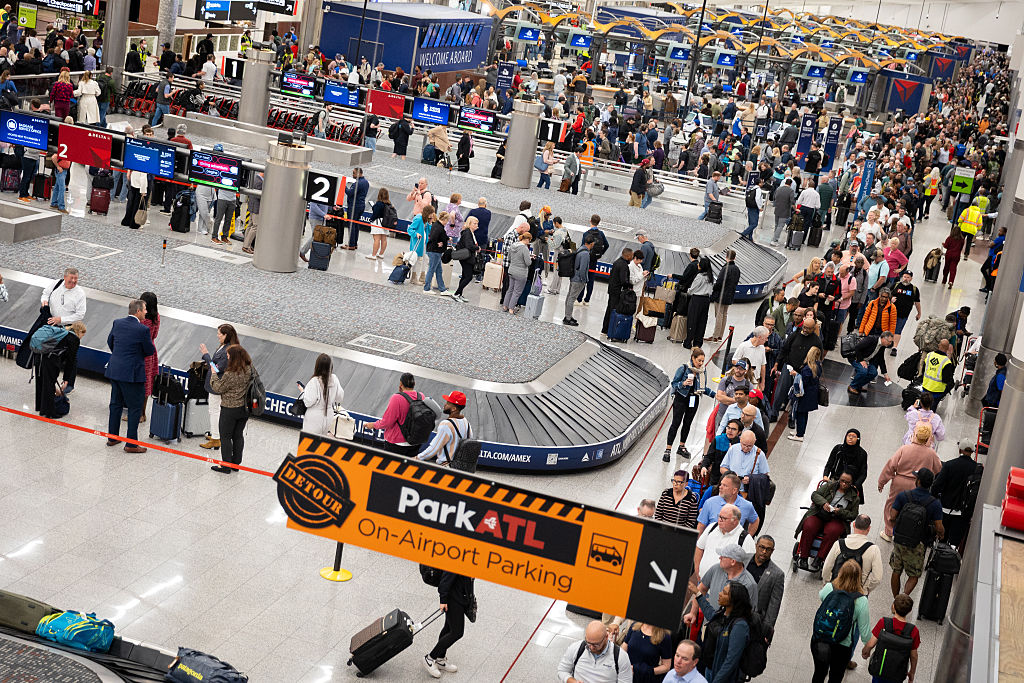
Crucially, the presence of ICE has done little to change that reality. Reports consistently describe agents standing around, walking through terminals, or loosely managing crowds rather than actively speeding up screening. Because ICE agents are not trained TSA screeners and lack the authority to operate checkpoints in the same way, their role has been limited and, in many cases, unclear. The result is a highly visible federal response that appears largely symbolic and punitive: long lines persist, passengers continue to miss flights, and frustration is growing. Even local officials have acknowledged that ICE’s role is restricted mainly to observation or light crowd control, underscoring how little impact the deployment has had on the actual bottleneck—too few trained TSA officers.
The second half of the crisis is playing out in Washington, where the political stalemate driving these disruptions remains unresolved. According to NBC News, Donald Trump rejected a proposed deal from Senate Majority Leader John Thune that could have ended the shutdown. The proposal—designed as a compromise Democrats were willing to accept—would have funded most of the Department of Homeland Security while setting aside contentious immigration enforcement funding for separate consideration.
Instead of taking that off-ramp, Trump turned it down, prolonging the impasse and, by extension, the dysfunction at airports nationwide. His rejection signals a continued insistence on tying DHS funding to broader political demands, including the passing of the anti-voting rights SAVE Act, rather than resolving the immediate operational crisis affecting millions of travelers. The consequences are already visible: unpaid TSA workers are calling out or quitting, staffing shortages are worsening, and emergency measures like deploying ICE are failing to meaningfully address the problem.
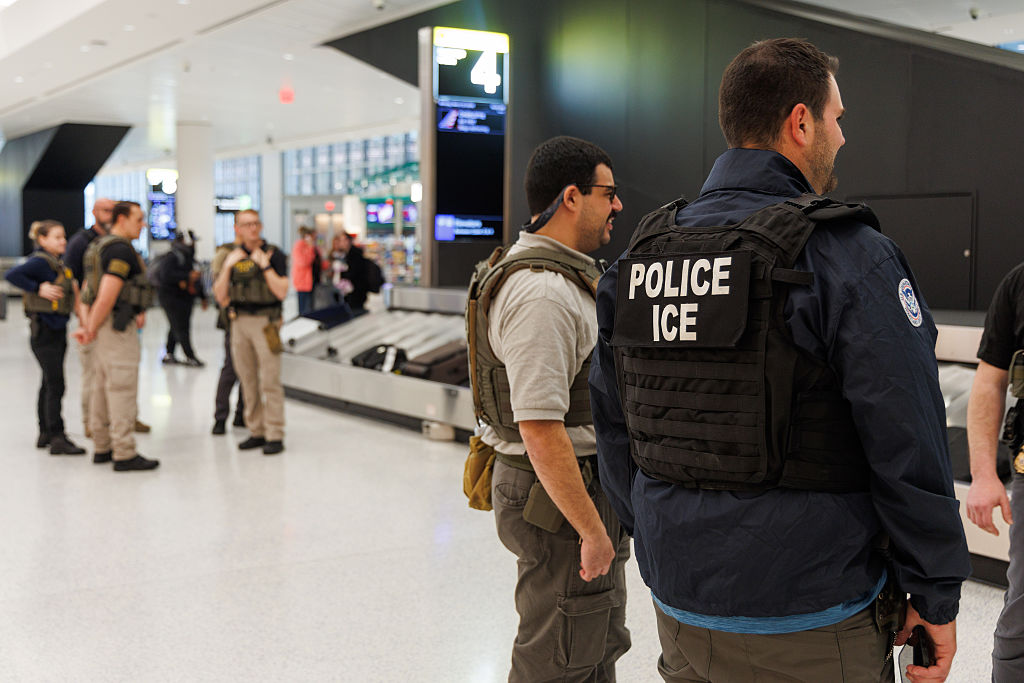
Taken together, the two developments paint a stark picture. On the ground, a highly publicized federal response is doing little to alleviate massive delays. In Washington, a viable deal to end the crisis has been pushed aside. And in between are travelers—stuck in endless lines—paying the price for a political standoff that shows no immediate sign of resolution.
- SLAYCHELLA: A Gallery Of Haute Girlies, Viral Vixens & Swoony Stunners Who Brought Heat To The Desert At Coachella
- Ashlee Jenae: Influencer Had Massive Fight With Fiancé Before Mysterious Death, Resort Staff Had To Separate Couple
- Nia Long Poses For ‘Playboy’ And Talks Protecting Her Peace, Dating Younger, And Drowning Out The ‘Michael’ Hate: ‘No One Can Interfere With My Sanity’