Sonya Massey’s Killer Ex-Cop Sean Grayson Dies In Prison
Ex-Cop Convicted Of Killing Sonya Massey, Sean Grayson, Dies Of Colon Cancer In Prison
- A former sheriff's deputy convicted of killing a Black woman dies in prison from cancer.
- The victim's family still grieves her loss, despite the deputy's conviction and death.
- Body cam footage showed the deputy's actions violated policies, leading to his conviction.
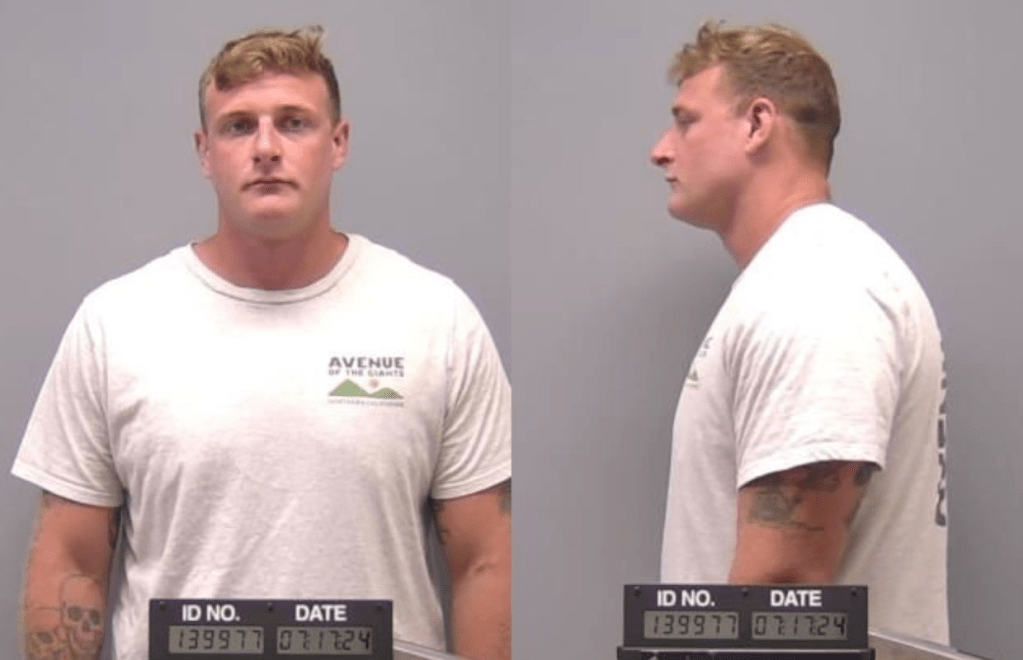
Sean Grayson, the former Sangamon County sheriff’s deputy convicted in the killing of Sonya Massey, whom she rebuked in the name of Jesus, has died in prison while battling Stage 4 colon cancer.
According to CBS News, Grayson was 32 and serving a 20-year sentence after being found guilty last October of second-degree murder. His sentence was supposed to keep him behind bars for two decades, followed by two years of mandatory supervised release.
Grayson’s death comes just weeks after the Illinois Prisoner Review Board rejected his request for medical release despite his advanced cancer diagnosis. The board decided he should remain incarcerated while receiving treatment. CBS News reports that Grayson had been undergoing treatment for Stage 4 colon cancer, although it remains unclear whether the disease was ultimately the cause of his death.
As BOSSIP previously reported, Massey, a 36-year-old Black mother, called 911 back in July 2024 because she believed a potential intruder might be prowling around her home. Like so many other Black men and women who thought they could rely upon law enforcement to help them in an emergency, she ended up dead inside her own house after Grayson shot her in the face.
The body camera footage from the deadly encounter became a devastating piece of evidence because it challenged the familiar police narrative that an officer had no choice but to use deadly force. Massey was interacting with the deputies willfully and cooperatively when the confrontation escalated, and Grayson wantonly chose to fire his weapon. The sheriff’s office later determined that Grayson violated six department policies, including rules concerning use of force, his conduct and language, failure to provide medical aid, and his refusal to cooperate with an internal affairs investigation.
Grayson’s conviction and 20-year sentence were a measure of accountability for Massey’s death, but his sudden passing closes a chapter without changing what happened that night. Ubiquitous civil rights attorney Ben Crump and lawyer Antonio Romanucci spoke to this in a publicly released statement.
“Grayson’s death in custody from cancer does not bring Sonya back. We wish his family prayers of peace, as we do for all who grieve a loved one. Sonya’s family knows that pain all too well and will grieve her loss the rest of their days.”
Sonya Massey called the police looking for help. She never made it out of her home alive. And no prison sentence, medical diagnosis or death can erase the body camera footage that showed the world exactly how that desperate call for help ended.


