Atlanta Puts Majority-Black Neighborhoods Under AI Surveillance
Cop City: Atlanta’s Latest Law Enforcement Policy Puts Majority-Black Neighborhoods Under AI Surveillance
- Residents feel uneasy about increased surveillance and loss of green space in their neighborhood
- Experts warn that 'Cop City' will intensify digital surveillance and normalize predictive policing in Black communities
- Community organizers argue that resources are prioritized for policing over housing, jobs, and environmental justice
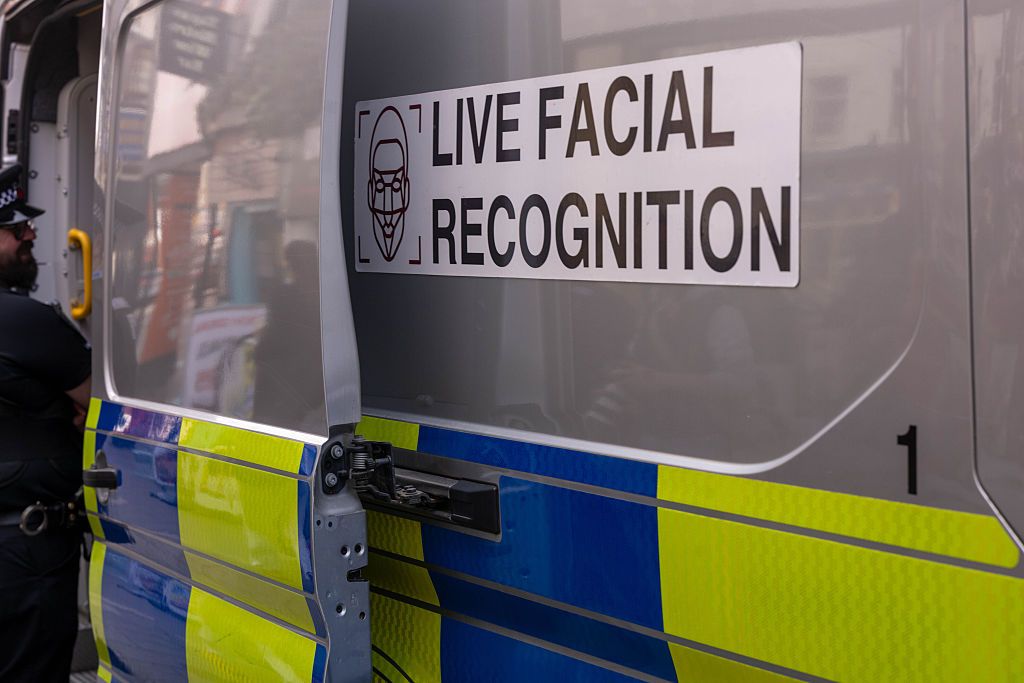
A recent Capital B News report examines how Atlanta’s controversial Atlanta Public Safety Training Center, contemptuously known by locals as “Cop City,” has evolved into what critics are describing as a large-scale experiment in AI-powered policing concentrated in a majority-Black community. The report argues that the project is not only reshaping the physical environment around the South River Forest, but also expanding one of the most extensive police surveillance systems in the country.
Brian “Scapegoat Jones” Page grew up in the area and says that he now feels uneasy about the dramatic increase in surveillance surrounding his neighborhood. Page describes driving past police vehicles and AI-enabled cameras that monitor activity throughout the area. What was once a place associated with nature, recreation, and community has become a heavily monitored territory.
“I hope that [the training center and surveillance system] doesn’t change the vibe of the people in that area,” Page said.
But he has a feeling that it might. “Just knowing the history of this country [and] the history of profiling. I do have concerns and questions about how this AI [is being used],” he said. “I don’t trust them to have the information or collect it. I can’t understand the purpose of it.”
Cop City sits on 85 acres of land that was once part of Atlanta’s South River Forest, an area long valued by residents for its trails and green space. Environmental advocates say that replacing forest land with pavement, buildings, and tactical training facilities will worsen flooding, sewage overflow, and extreme heat in nearby Black neighborhoods already burdened by environmental inequality. Researchers say Atlanta has been losing tree canopy rapidly for years, with removal significantly outpacing replanting.
The report also highlights concerns about Atlanta’s broader surveillance infrastructure. The city is said to have access to more than 60,000 interconnected public and private cameras, including license plate readers and AI-assisted monitoring tools. Critics fear the integration of Cop City into that network will intensify digital surveillance in Black communities and further normalize predictive and data-driven policing practices.
“The surveillance system, the environmental issues, and the gentrification of Atlanta go hand in hand,” said Atlanta community organizer Kamau Franklin. “The focus and money poured into specialized police units and cameras feels far outstripped by anything invested in housing, green space, or jobs.”
Atlanta residents have long decided that they want no parts of this experiment in technology and policing and unfortnately, the powers that be are completely ignoring their cry. This is why you should vote.
- Nice Try, Trolls! Chloe Bailey ‘Bullies Back’ Messy Miserables Making Super Shady Social Media Comments—’Gloves Are Off’
- Mo’ Money: Hollywood’s Highest-Grossing Black Actors & Their Blockbuster Billions
- Feathered Royalty, Act Accordingly! A Gallery Of Flawlessly Feathered Hot Gals Who Set Di Road ABLAZE At Crop Over 2026