Black Girls In D.C. Arrested At A Rate More Than 30 Times Higher Than White Kids, New Report Says - Page 2
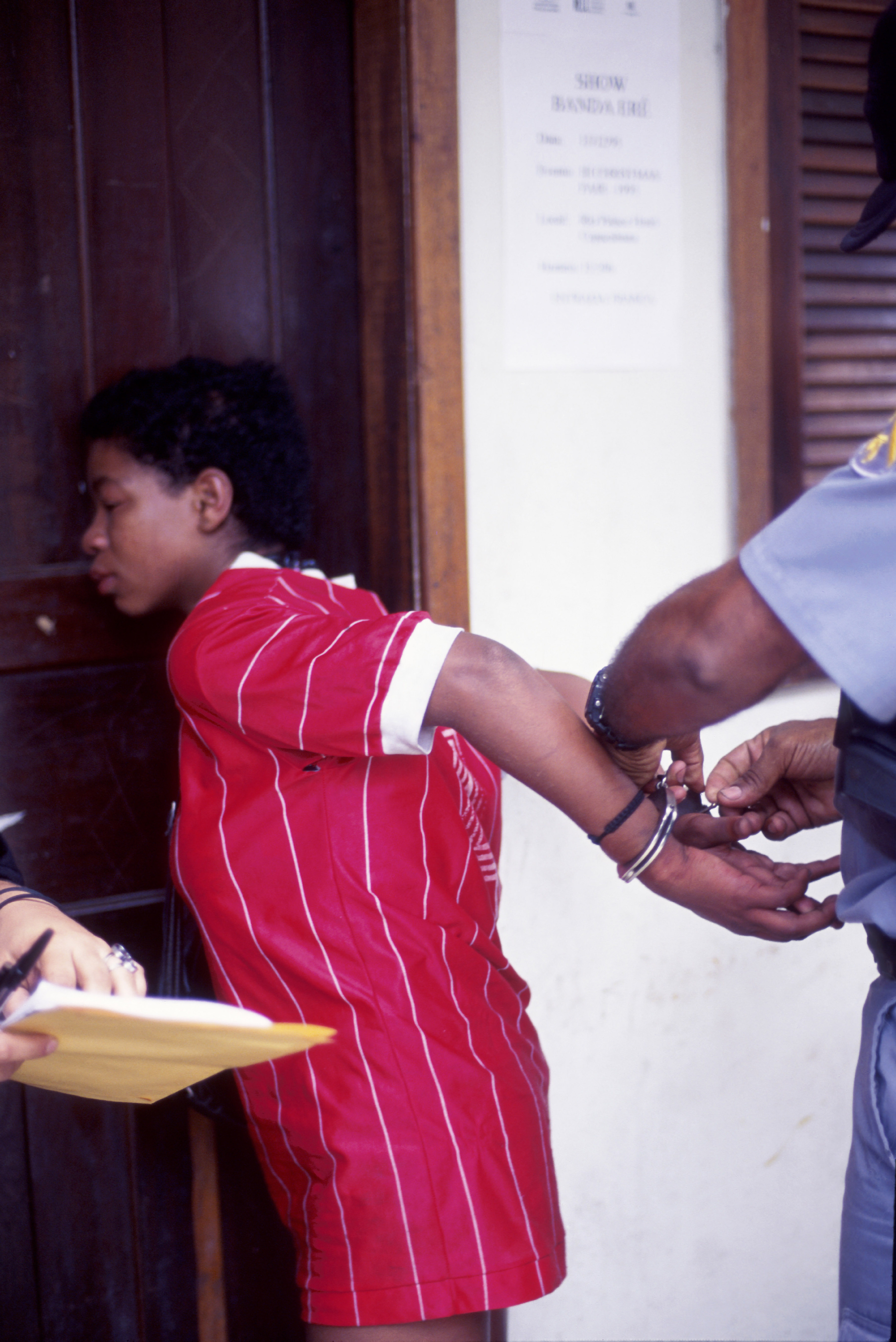
(Photo by Ricardo Funari/Brazil Photos/LightRocket via Getty Images)
African-American Girls Are Shockingly Overrepresented In Washington, D.C.’s Juvenile Justice System
Black girls in Washington, D.C. are over 30 times more likely to be arrested than white girls and boys, according to a disquieting new report about the state of juvenile justice in our nation’s capital.
The new report, “Beyond The Walls: A Look At Girls In D.C.’s Juvenile Justice System,” sheds light on the stark discrepancies and overrepresentation of black girls in the District of Columbia’s juvenile justice system.
Authored by the Georgetown Juvenile Justice Initiative and nonprofit Rights4Girls, the report found that a whopping 97 percent of girls committed into the custody of D.C. Department of Youth Rehabilitative Services are black, and some 60 percent of girls arrested in the district are under the age of 15 years old.
While boys’ arrests have fallen, girls’ arrests have nearly doubled in the last ten years, and 86 percent of those arrests are for nonviolent charges, according to the report.
“The combination of sexism and racism uniquely affects black girls’ entry and outcomes in the juvenile justice system,” the report says.
Shockingly, the clearest indicators of sexual exploitation are the some of the most utilized charges filed against the girls, like truancy, running away, prostitution and violating curfew, according to the report.
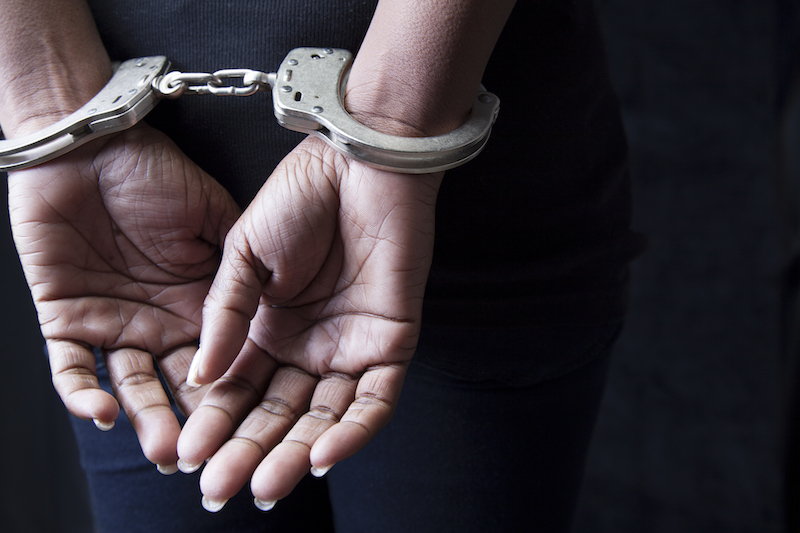
The reasons why girls of color are ended up in the juvenile justice system are varied, but don’t have anything to do with girls being more violent or badly behaved, the report says. Instead, the arrests stem from issues like sexual abuse, poverty, trauma, unstable housing options and more vigorous enforcement of petty crimes from police. The report also cites black girls being at the receiving end of institutional racial bias, being seen as oversexualized and older than they are.
Another reason for the uptick in arrests is that school officials are criminalizing girls – and specifically black girls – and pushing them out of school and into the system as a means of maintaining “discipline” in the classroom, according to the report.
And once in the justice system, the girls are more likely to become pregnant, lured into sex trafficking or suffer mental health deterioration, the report says.
The report’s authors recommend solutions that involve more community based solutions and decrease girls’ exposure to police and the juvenile justice system, as well as more transparency from D.C. agencies involved with girls in the justice system. The authors also want more done to engage with and provide resources to girls in the system.
Read the report here.