David Banner Talks HBCU Honors [Exclusive]
David Banner Talks HBCU Honors, Southern University & Bridging Generations Through Education [Exclusive]
David Banner believes the success of HBCU Honors is rooted in something bigger than television metrics.
As the show climbed from fifth to third in its time slot among Black cable viewers, fueled by triple-digit growth with younger audiences on BET, Banner says the surge reflects a generation craving to see real journeys, not just polished outcomes.
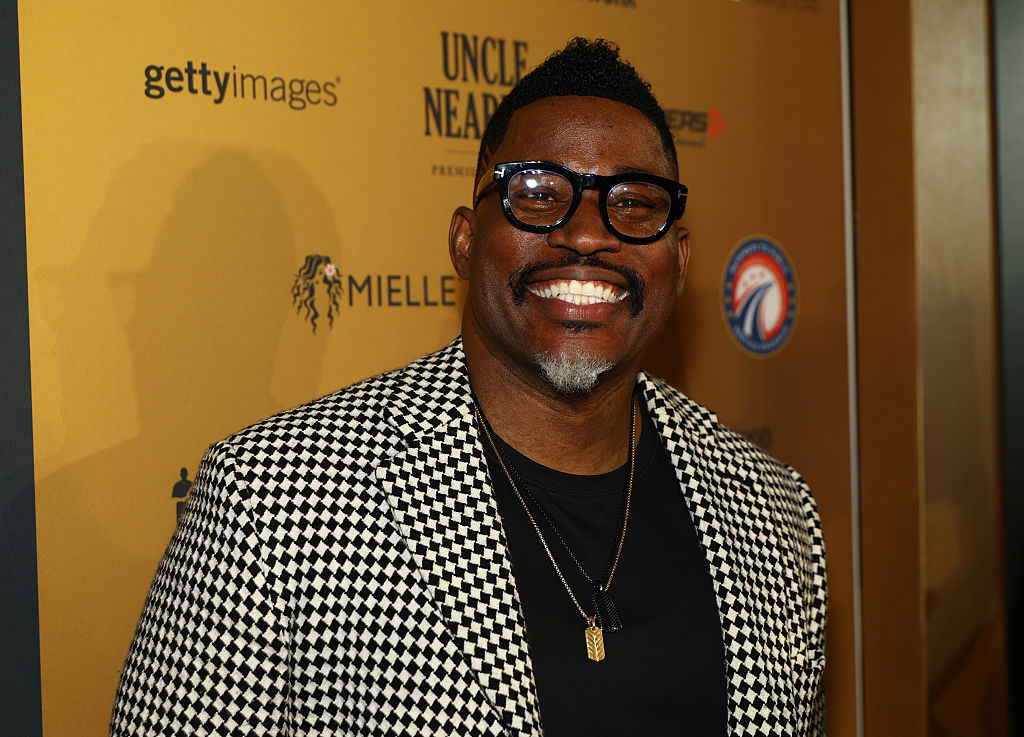
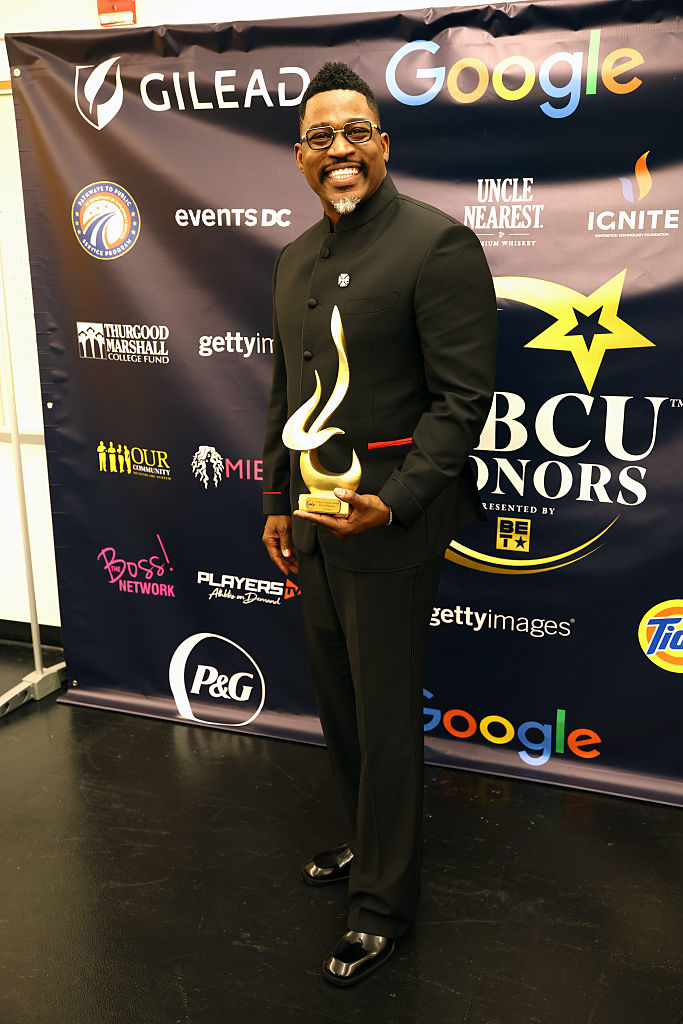
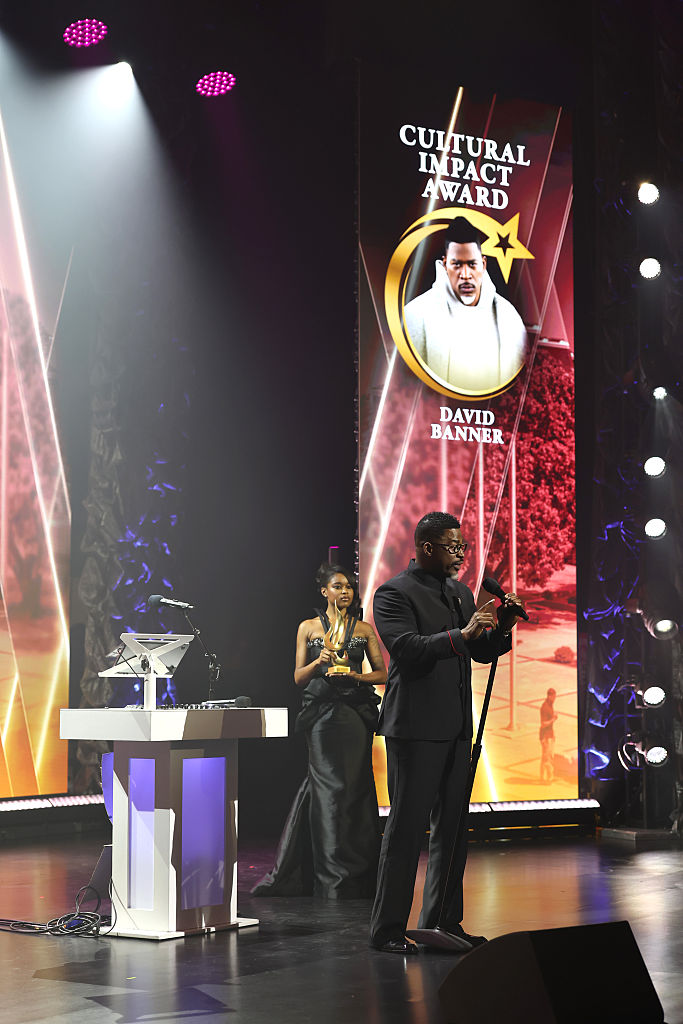
Speaking exclusively with BOSSIP‘s Lauryn Bass, Banner, who was awarded the HBCU Honors’ Cultural Impact Award for his influential career as an artist and activist, explained that today’s Black youth are not looking for lofty rhetoric. They want proof. They want process. And most importantly, they want to see themselves reflected in the journey.
“What our children want, they don’t want to hear a lot of rhetoric. They want to see it,” Banner said. “A lot of times, they only see the end result of people who made it to a certain level. They don’t see the path.”
Showing The Journey, Not Just The Finish Line
Banner, a Southern University alum, spoke candidly about how rarely young people are shown the beginning stages of success.

He recalled being a freshman in Jones Hall, standing in registration lines just like the students watching today. That relatability, he said, is part of what makes HBCU Honors resonate.
“There’s a direct correlation between my education at Southern and who I am today,” he said. “Kids don’t always see that path.”
That visibility was further amplified through moments woven into the show, including the public display of Banner’s friendship with T.I., who honored him.

According to Banner, it was not just a celebrity moment, but a living example of how education, relationships, and long-term growth intersect.
Why Youth Inclusion Is the Real Game Changer
More importantly, Banner praised HBCU Honors for doing something many institutions fail to do: involving young people in the conversation instead of speaking over them.
“We make all these rules and suggestions about the lives of youth, but never have them in the board meetings,” he said. “If you look at HBCU Honors, it directly involved the youth with everybody they were honoring.”
That intentional inclusion, Banner noted, transformed the program from a retrospective celebration into a living bridge between generations.
Normalizing Conversations Around Black Men’s Health
Beyond education and representation, Banner also spoke about the necessity of addressing Black men’s health and activism in public spaces.
For him, these conversations should not be exceptional. They should be normalized.
“Black people have been used as entertainment for so long,” he said. “People don’t take our pain seriously because we have always persevered at a very high level.”
Banner reflected on his own realization, uncovered through therapy, that trauma can go unrecognized when it is normalized by circumstance.
“I never noticed how traumatic my childhood was because that’s all I knew,” he shared. “People always look at Black people as survivors, but I don’t know how much longer we can continue to do that.”
Vulnerability, Strength And Being Clear On Purpose
His willingness to speak vulnerably, Banner acknowledged, is often misunderstood as ego, but he attributes it to clarity.
“When you are very clear on your purpose and your worth, people mistake that for ego,” he said. “But a lot of great people lose valuable time because others do not react to who they are the way they should.”
That clarity has shaped Banner’s view of success, which he revealed while reflecting on receiving the Cultural Impact Award.
Why Being SGA President Still Matters More Than The Awards
Despite his music, acting, and activism, Banner considers his tenure as Student Government Association president at Southern University his greatest accomplishment.
“Being SGA president at Southern is my biggest accomplishment,” he said. “I did that way before the music.”
Through that experience, Banner learned leadership in a contained ecosystem, a lesson he believes prepared him for broader responsibility.
“I understood that power will never invest in poor people unless poor people invest in power,” he said.
Advice For The Next Generation: Rest, Read And Resist The Rush
As the interview closed, Banner offered advice to young Black students and creators dreaming beyond their current circumstances. His message rejected hustle culture in favor of sustainability and self-knowledge.
“If you don’t sleep, you will die,” he said plainly. “Read. You are a slave to whatever you don’t know.”
He also urged young people not to rush into adulthood.
“Stop rushing to be grown. This is not fun,” Banner said. “Enjoy your youth. Travel. Make mistakes. You really only learn from your mistakes.”
A Celebration That Connects Generations
HBCU Honors continues to serve as a space where those lessons are not just spoken, but shown. The full extended show is available on the HBCU Honors YouTube channel, with a BET encore airing on December 31.
As Banner made clear, the impact lies not just in honoring excellence, but in showing how it is built.
- Whew Lawd! The Hottest Thirst Traps Of The Week, Vol. 137
- Hotter Than A $2 Pistol! One Last Helpin’ Of Purrrty Darlins Who Looked Mighty Fine At Houston Rodeo 2026
- Too Funny Or ‘Too Far?’ Druski Causes Conniptions Over ‘Conservative Women’ Sketch, Fact-Checks Rumored Grandpappy Post Amid Whiteface Fracas