Living The Dream: Social Justice Warriors Carrying MLK's Torch
Living The Dream: 5 Social Justice Warriors Carrying MLK’s Timeless Torch
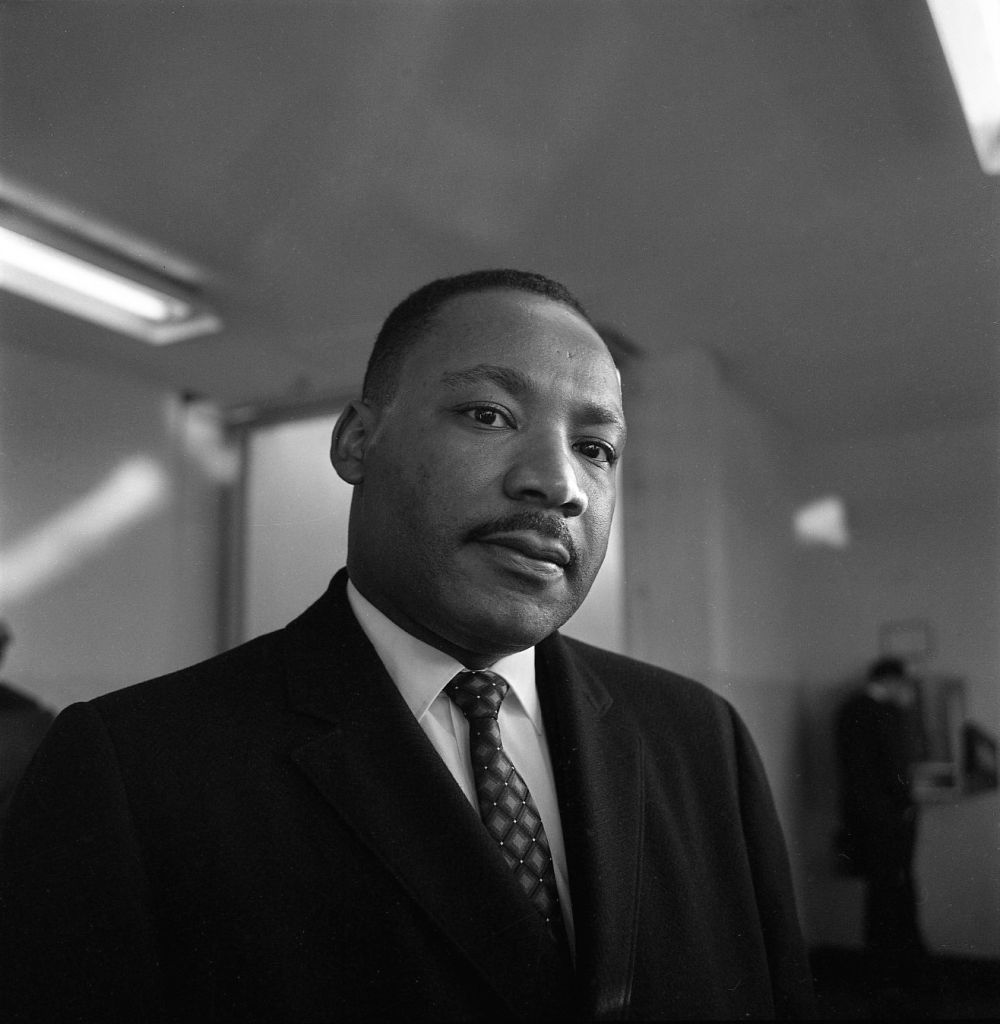
As MLK Day and the Day of Service commence, it always forces us to pause and really sit with the weight of Dr. Martin Luther King Jr.’s legacy. Not just the speeches we quote once a year, but the sacrifices, the strategy, and the unwavering belief that Black people deserved dignity in every space. Dr. King didn’t just dream out loud—he organized, mobilized, and put his body on the line for justice, knowing full well the cost. That level of commitment reshaped America forever.
MLK’s work mattered because it attacked the system at its roots. He challenged segregation, economic inequality, and voter suppression while insisting on love and nonviolence as tools of resistance–not weakness. That approach confused his enemies and empowered his people, proving that moral clarity could be just as powerful as brute force. His leadership helped usher in landmark legislation, but more importantly, it shifted how generations understood their own power.


The ripple effects of his movement didn’t stop in the ‘60s. His teachings became a blueprint passed down through churches, classrooms, kitchens, and community centers. From marches to mutual aid, from boycotts to ballots, MLK showed that change is collective work—and that progress demands both courage and consistency. His words still ring true because the issues he fought against never fully disappeared.
Today, a new generation is carrying that torch with pride and purpose. They may use social media instead of pulpits and hashtags instead of pamphlets, but the mission is the same: protect Black lives, demand equity, and hold systems accountable. These modern-day social justice warriors are living proof that MLK’s dream didn’t die with him—it evolved.
Below are five social justice leaders who embody that evolution, pushing the movement forward while honoring the path MLK carved.
Tamika Mallory
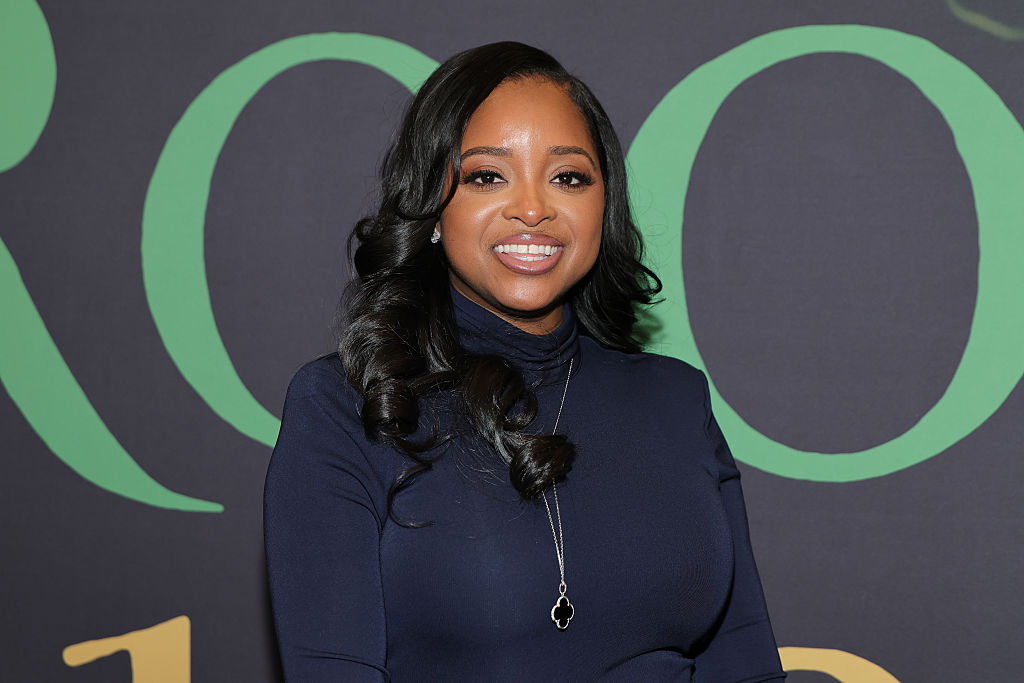
Tamika Mallory has been one of the most visible and unapologetic voices in modern Black activism. As a longtime organizer and former co-president of the Women’s March, she’s consistently used her platform to call out state violence, racism, and political hypocrisy. Mallory’s work echoes MLK’s insistence on speaking truth to power, even when it’s uncomfortable or controversial. Like King, she understands that movements aren’t about popularity—they’re about justice. Her activism reminds us that silence has never saved us.
Little Miss Flint
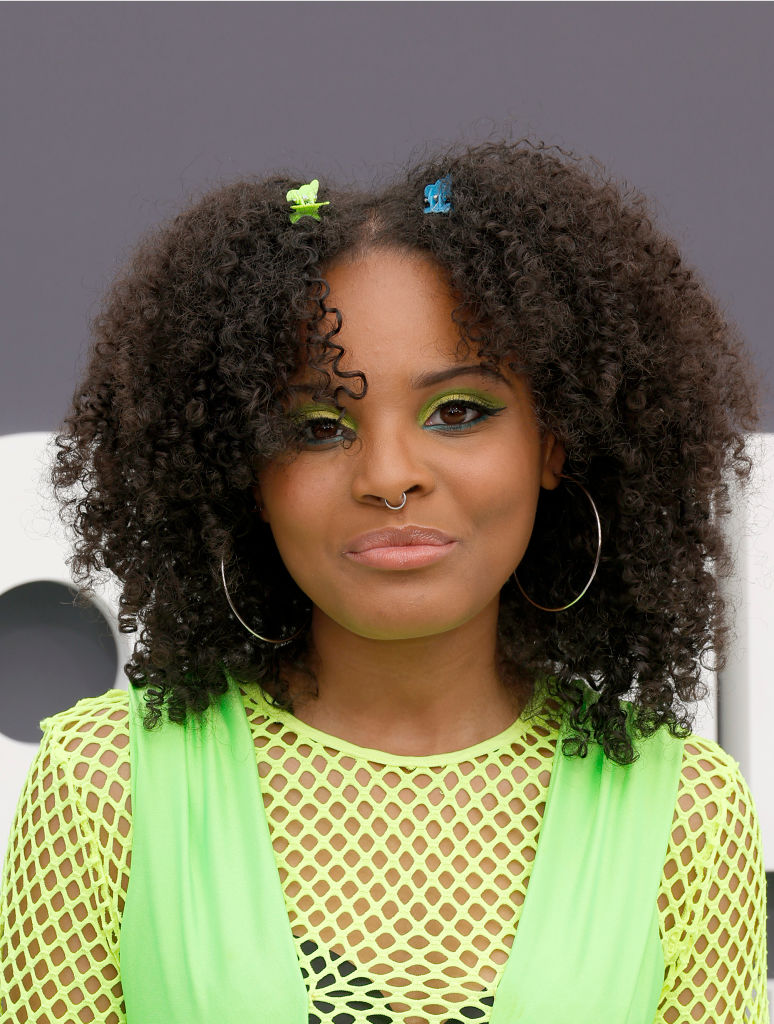
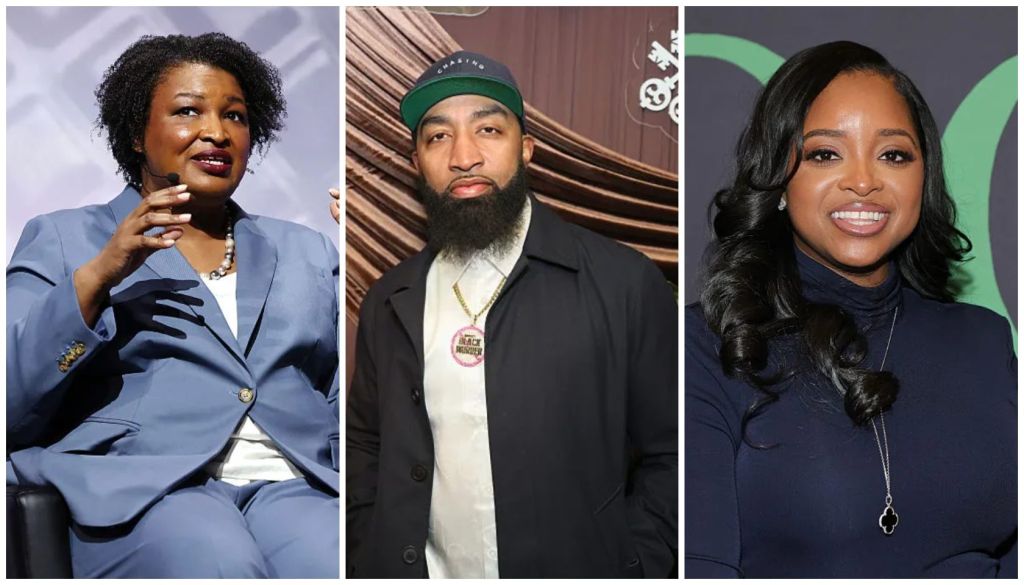
Amariyanna “Mari” Copeny, aka Little Miss Flint, proves that age has never been a requirement for leadership. Rising out of the Flint, Mich., water crisis, she became a national voice for children and families poisoned by government neglect. Her advocacy channels MLK’s belief that the most vulnerable deserve protection and visibility. By speaking on environmental racism and health equity, she continues his legacy of fighting systemic racism at its source. Her presence is a reminder that the movement’s future is already here.
Mysonne
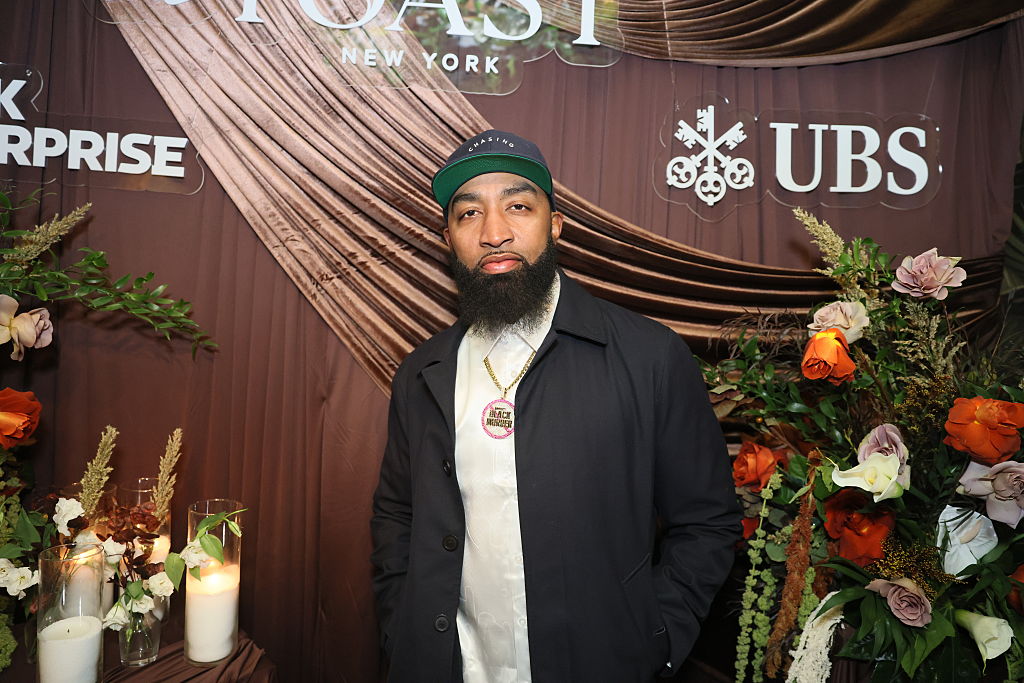
Mysonne blends activism and hip-hop in a way that feels deeply rooted in MLK’s philosophy of meeting people where they are. Known for organizing protests, speaking at rallies, and mobilizing communities around police brutality and mass incarceration, he uses culture as a vehicle for change. Like King, Mysonne understands the power of messaging and collective energy. His work emphasizes unity, accountability, and economic justice—all pillars of the civil rights movement. He keeps the fight grounded in the streets, not just the headlines.
LaTosha Brown

LaTosha Brown has dedicated her life to protecting Black political power, especially in the Deep South. As a co-founder of Black Voters Matter, she’s been instrumental in grassroots organizing, voter education, and the fight against suppression. Her work mirrors MLK’s later focus on economic justice and civic engagement. Brown believes voting is a form of resistance—a belief King championed toward the end of his life. She ensures that democracy actually serves the people it’s supposed to.
Stacey Abrams
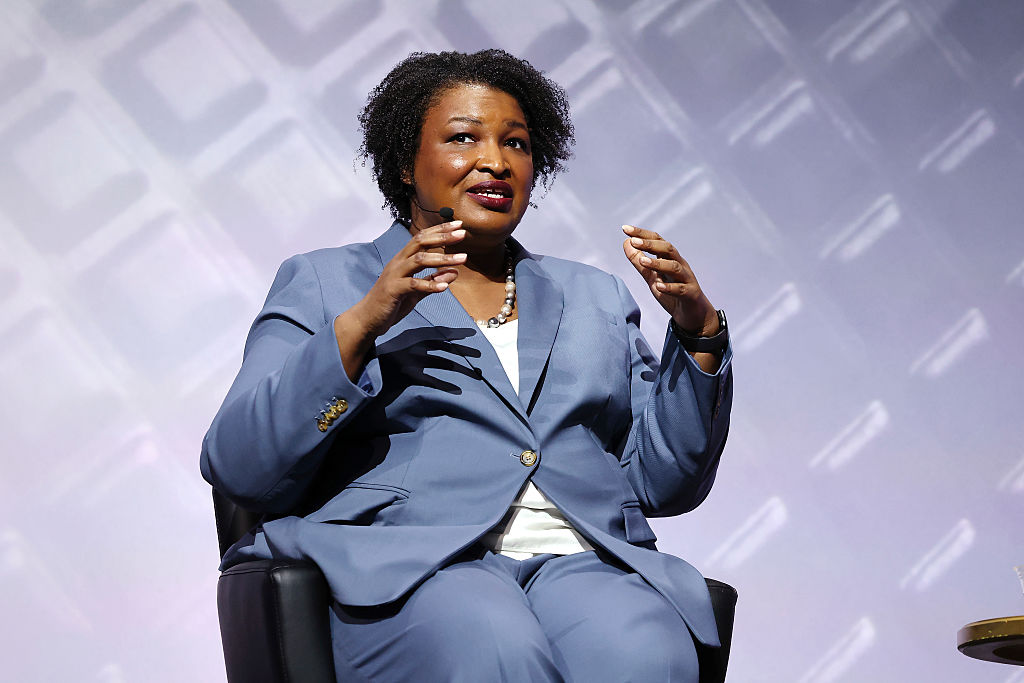
Stacey Abrams has redefined what modern civil rights leadership looks like in the political arena. Through her work combating voter suppression and expanding access to the ballot, she’s helped shift the political landscape in Georgia and beyond. Abrams carries MLK’s legacy by focusing on long-term structural change rather than just symbolic wins. She understands that justice requires policy, persistence, and participation. Her leadership proves that the dream lives on—not just in speeches, but at the ballot box.
MLK once said, “The arc of the moral universe is long, but it bends toward justice.” These five leaders are proof that the bend doesn’t happen on its own—it takes people willing to push it forward, generation after generation.
- Ray J’s Mom Sonja Norwood Responds To Critics Calling Her Son’s Health Scare A ‘Hoax’: ‘He Has A Life-Threatening Situation’
- So Stunning: Teyana Taylor, Chase Infiniti, Sheryl Lee Ralph & Viola Davis Dazzlingly Dominate The Actors Awards Red Carpet
- Whew Lawd! The Hottest Thirst Traps Of The Week, Vol. 133