It’s Time To Address America's Black Femicide Crisis [Op-Ed]
Black Women Matter: It’s Time To Address The Femicide Crisis Happening In America [OP-ED]
- Systemic violence against Black women is a public health crisis, with disproportionate rates of intimate partner and gun violence.
- Misogynoir, lack of accountability, and cultural forces like patriarchy fuel this crisis, which must be directly confronted.
- Tangible support like emergency funds, housing, and legal aid is critical to enable Black women's safety and autonomy.
Black women deserve safety, protection, and the fundamental right to live. Yet for far too long, the national conversation around violence in the Black community has ignored that painful truth. We rally, we protest, we organize around the systemic dangers facing our men and the heartbreak of losing our sons—but we rarely address or name the violence that lives much closer.
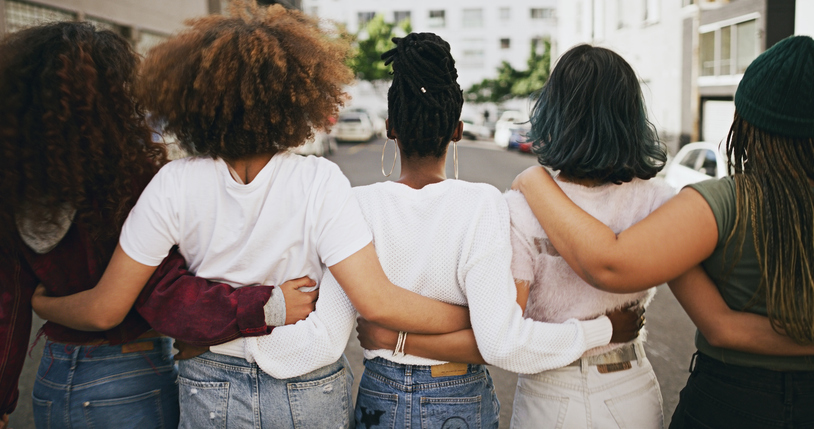
Whether at work, the gym, or at home, Black women face a high level of danger. From sexual violence to murder, we are the most vulnerable when it comes to being unprotected by our men and the system, but if we’re being real, this isn’t new.
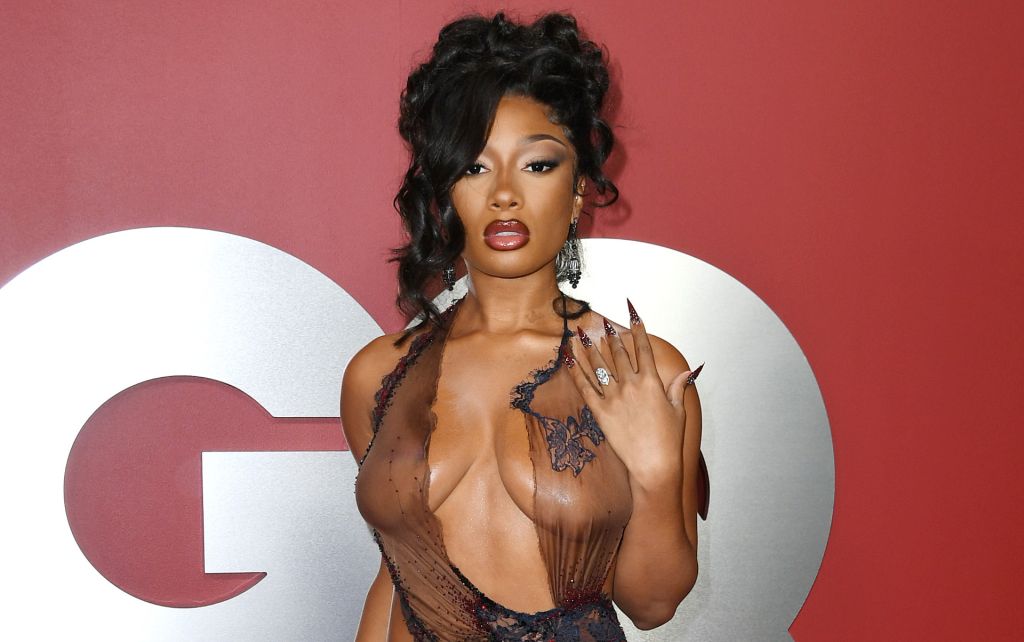
Look at the response to the 2020 shooting of Megan Thee Stallion by Tory Lanez and the harassment she has continued to endure from him and his fans for speaking out.
You will see why the blatant disregard for the life of Dr. Cerlina Wanzer Fairfax, DDS while Black men rushed to hoist up her killer, because he was “a good man” and a member of their fraternity, is no different—same story, different names.

It’s time to get loud and serious about the problem.
Before we dive into this, I want to be clear about why this subject is personal for me. Not only am I a Black woman, but I survived more than two years of domestic violence at only 15 while pregnant by an adult. I was told then that it was love, but it wasn’t—it was control and jealousy at the hands of a predator.
Also, this is not to bash Black men; I understand that there are extenuating circumstances that can lead to someone causing irreparable harm or acts of violence. My stepfather, who only ever received a seatbelt ticket while I was growing up, is currently incarcerated after snapping and contributing to the death of his then-wife after more than a year of unreported emotional abuse at her hands. The reason this is important is that this incident made me confront my own bias. Truthfully, in my mind, for years I felt it was a twisted form of justified karma for her destruction of my parents’ marriage— she was the side chick and also white. The earth-shattering event forced me to confront uncomfortable truths about my own bias and highlighted how easily we can dismiss harm depending on who the victim and perpetrator are—and that distortion sits at the heart of this crisis.
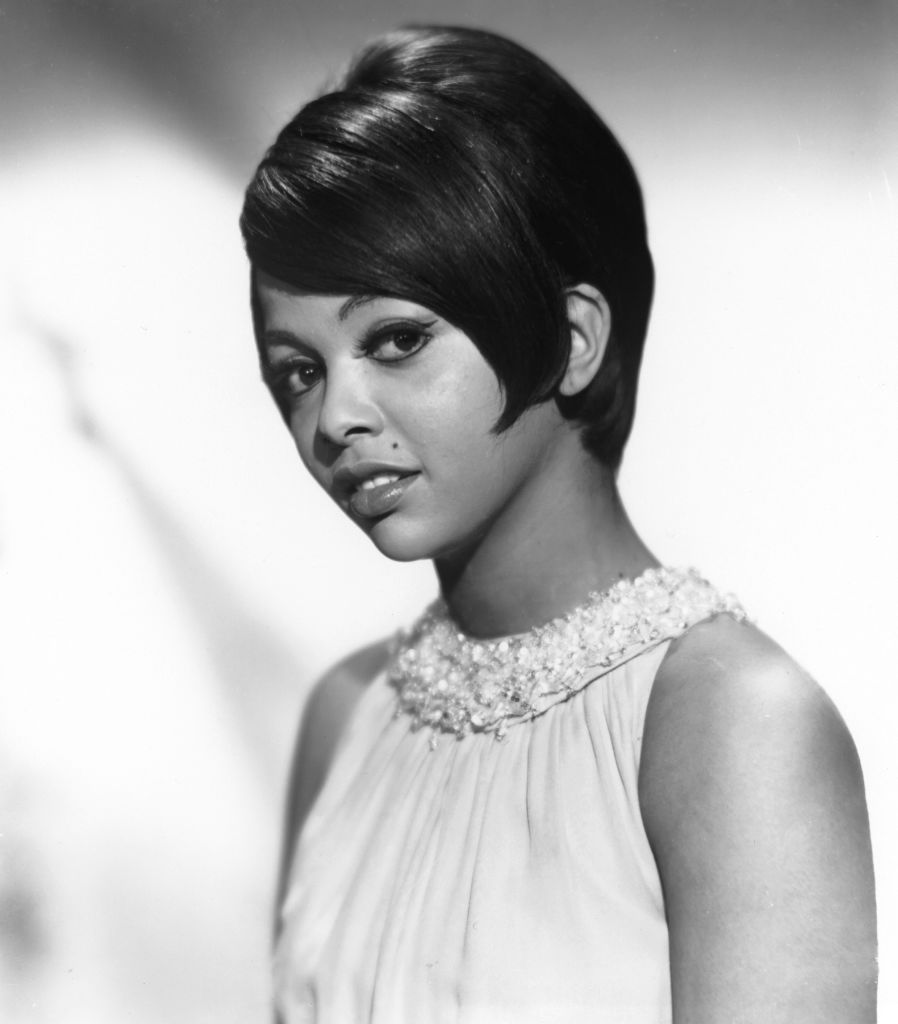
Black women have long been both the backbone and the footstool in America—uplifted in rhetoric, neglected in protection. Even historically, figures like Eldridge Cleaver are championed as a freedom fighter who fought for liberation while openly admitting in his 1968 bestseller book, Soul on Ice, that he targeted “Black girls in the ghetto” to rape because they were “easy targets.” The years of abuse that reportedly contributed to the death of Tammi Terrell are another painful reminder. The list of victims is long and often minimized, while their abusers are met with sympathy and redemption.
But the data doesn’t lie.
As noted by the Berkeley Journal, Black femicide is rooted in misogynoir, which is leaving us killed at rates four times higher than non-Black women. According to reports, Black women make up just 10% of the U.S. female population, yet account for 59% of women murdered. Most of these cases involve intimate partner violence—making them acts of Black femicide. Pregnant women in particular are at a higher risk of being murdered than those who die from the top three pregnancy-related complications, and Black women represent 44.6% of all pregnancy-related fatal intimate partner violence cases in the U.S., highlighting the pattern.
The death toll for Black trans women has also increased by 93% in just four years, and still, this crisis remains largely absent from mainstream discourse.
Why?
Because stereotypes paint Black women as aggressive, unbreakable, strong women who are less deserving of softness, protection, or empathy.
Even when we are soft, accomplished, supportive, self-sufficient, joyful, and minding our business, there is always a narrative that suggests we somehow deserved mistreatment.
In 2020, as homicides rose nearly 30% nationwide, the rate for Black women and girls increased by 33%—a sharper rise than nearly every demographic except Black men, and more than double that of white women. These killings spanned all ages, from children to seniors. Gun violence drove the majority, with three-quarters of Black female victims dying from gunshot wounds. Additionally, about 45% of Black women have experienced physical or sexual violence or stalking by an intimate partner in their lifetime.
It is time to call this what it is—an epidemic.
This is not a buzzword or trend, it is a real issue that Rosa Page, founder of Black Femicide U.S., publicly named to bring visibility to the disproportionate killings; after reports delivered a staggering reality that an average of five Black women and girls were killed every single day in 2020.
Every. Single. Day.
Nearly 80% of these killings involved firearms, with over 90% of victims reportedly knowing their attackers. These are not random acts. They are intimate, targeted, and deeply personal acts of violence committed by partners, husbands, boyfriends, and even fathers. That truth forces us to confront something uncomfortable, that the danger is not only external, but it exists within the community, too. Since 2017, the homicide rate for Black women has been steadily on the rise—yet the attention, resources, and urgency remain disproportionately low.
When tragedies like the Shreveport mass killing dominate the news cycle, the conversation often centers on the perpetrator’s pain over the innocent lives lost. While mental health issues are real, they cannot continue to be used as a shield that deflects accountability. When we humanize abusers more than victims, we send the dangerous message that her life is secondary to his pain. Depression doesn’t pull triggers and overt stress doesn’t orchestrate violence—these are calculated decisions and must be treated as such.
Another aspect adversely affecting us that we can no longer ignore, is the cultural forces fueling this crisis, including patriarchy; yes, even within marginalized communities, it plays a huge role. The normalization of dominance, control, and entitlement by men can manifest easily as violence, especially when combined with economic disparity, lack of institutional support, and limited access to resources.
Then there’s the digital world.
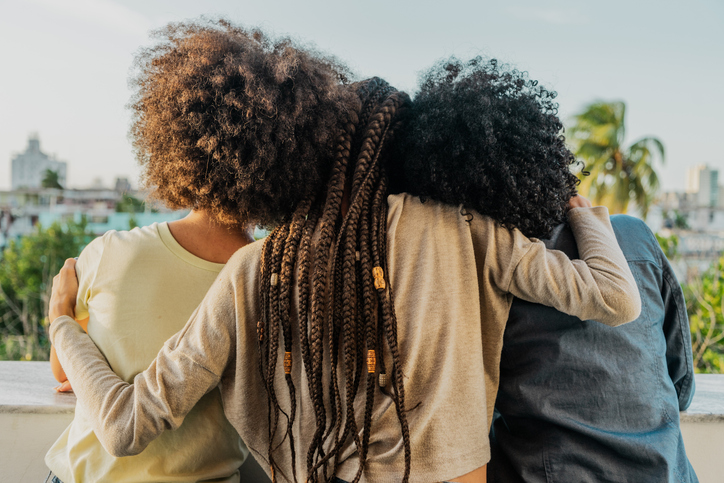
Online spaces also play a major role in amplifying harmful rhetoric targeting Black women. The “manosphere” culture, once associated primarily with white extremist spaces, now includes a growing segment of young Black men being exposed to and radicalized by the misogynoir-driven content, further adding to the disconnect when it comes to protection against violence.
When Black women are consistently devalued in conversations, media, and digital culture, it creates an environment where harm feels justified or, at the very least, ignored. The rise in rhetoric and the rise in violence are not separate, but instead connected.
Despite all of this, Black women continue to show up. We are the caretakers, the breadwinners, the organizers, and the visionaries. We carry families, communities, and the culture—often without anything in return and it’s time for the lack of reciprocity to end.
ESSENCE rightly labeled this a “public health crisis” and that framing is important, because this is not just about individual incidents—it’s about systemic patterns that are costing Black women their lives, and awareness alone is no longer enough. We’ve shared the posts. We’ve expressed outrage; now we need action.
Next Steps
Below are a few ways to effectively address the femicide issue plaguing our community while setting up the framework to hold perpetrators accountable.
1. Demand Policy Change
We need structural solutions that match the scale of this crisis. Minnesota has set a precedent by establishing the nation’s first Office for Missing and Murdered Black Women and Girls. That level of intentional policy must become a national standard.
We also need better data collection, targeted interventions, and dedicated funding to address violence against Black women. If systems can respond to other crises, they can respond to this one as well.
2. Challenge the Culture
This is cultural as much as it is political. Accountability must start in everyday spaces—conversations, group chats, podcasts, and homes. Misogynoir cannot be ignored or laughed off.
Silence is complicity.
Calling it out in real time matters because waiting until violence occurs is already too late and rarely results in the offender being held to any real forms of accountability.
3. Support Women’s Autonomy
Speaking out and leaving an abusive situation are often the most dangerous moments for a woman. Telling someone to “just leave” without providing real resources is not only ineffective—it can be life-threatening. While dismissing a victim’s testimony or reducing her experience because “she didn’t say something sooner,”, continues to push the ideology that exposing abuse leads to ridicule.
Also don’t forget, support must be tangible, complete with emergency funds, safe housing, childcare, legal aid, and secure access to personal documents. Autonomy is not just about freedom; it is literal survival.
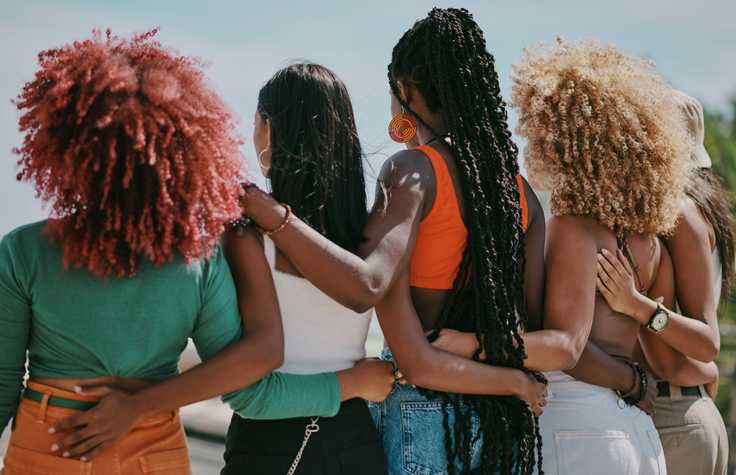
Black women deserve to live. That should not feel radical, but it does. We deserve safety in our homes, relationships, and communities. Yet the data—and the lived experiences behind it—tell us that safety is not guaranteed. So the question is simple: what are we going to do about it?
Are we going to keep treating these stories as isolated tragedies, or are we finally going to connect the dots and address the pattern? Black women have always shown up for everyone; now it’s time for that protection to be returned.
If you or someone you know is experiencing domestic violence, you are not alone. Call the National Domestic Violence Hotline at 1-800-799-SAFE (7233).
- The Business Bombshells Have Entered The Villa! A Gallery Of Bag-Securing Baddies, Mogul-Minded Mavens & Dynamic Divas Who Stunned At Invest Fest 2026
- Rihanna Posts Rare Fenty Family Photos With All 3 Kids As They Visit The Barbados Street Named After Her
- Nice Try, Trolls! Chloe Bailey ‘Bullies Back’ Messy Miserables Making Super Shady Social Media Comments—’Gloves Are Off’